Ask a room of Philadelphia high schoolers who’s taking AP Chemistry next year, and you’re seeing the end of a story, not the beginning. The real decision happened years earlier — in a 5th grade classroom, a 6th grade hallway, a 7th grade moment when a kid quietly concluded that science is or isn’t “for people like me.”
That’s why we introduce our students to Black trailblazers in STEM during the middle school years — not as a February special, but as part of regular learning. Representation isn’t decoration. It’s evidence. And kids follow evidence.
Here are six people worth meeting at your own dinner table, plus the story hook that makes each one stick.
Katherine Johnson: the calculations astronauts trusted with their lives
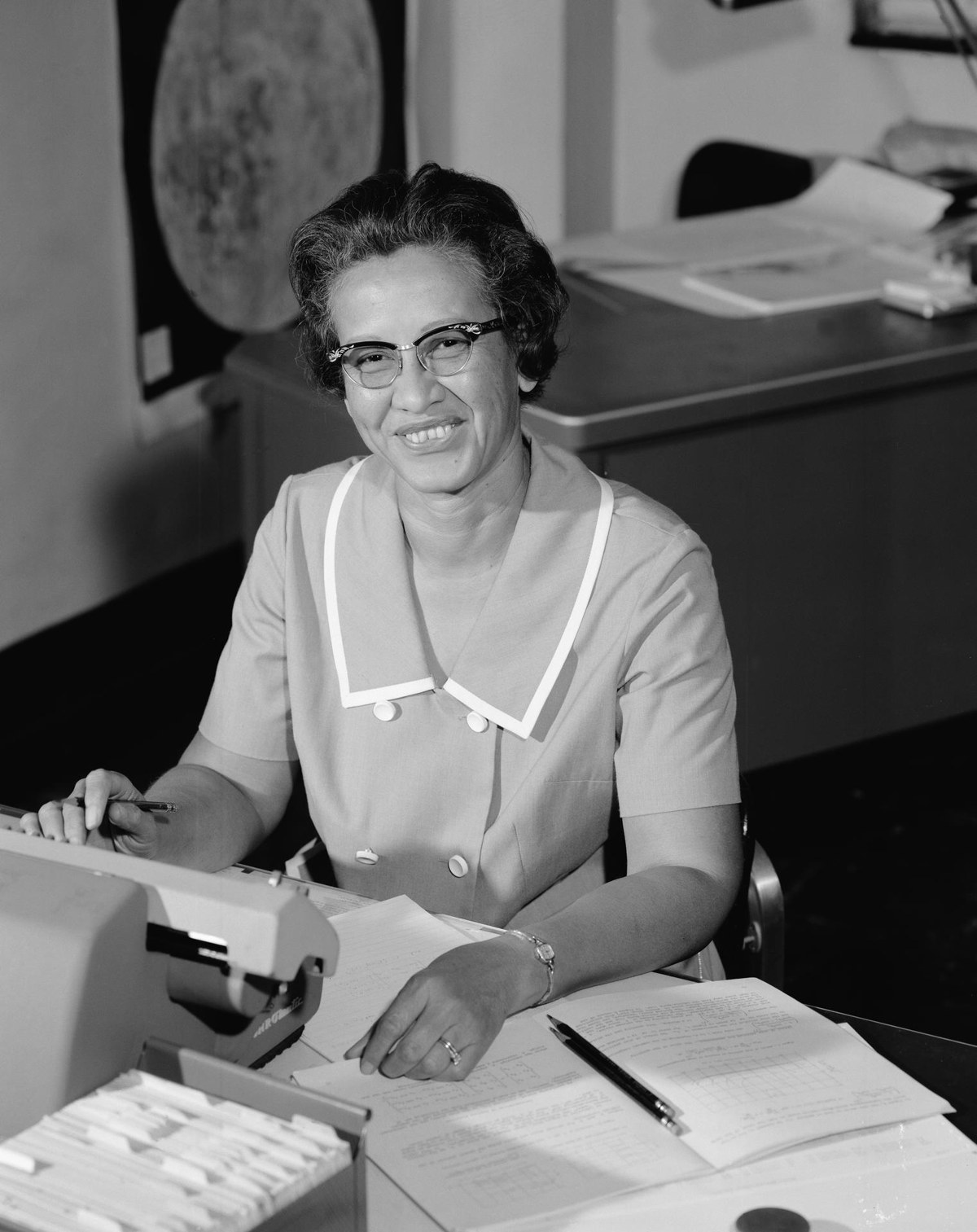
Before John Glenn orbited the Earth in 1962, he asked for one specific check on the computer’s numbers: “Get the girl.” He meant Katherine Johnson, the NASA mathematician whose orbital calculations he trusted more than the machine’s. Johnson grew up in West Virginia so hungry for school that her family moved towns so she could attend high school — Black students weren’t allowed at the local one.
The hook for your kid: the astronaut wouldn’t fly until her math said go. When your middle schooler grinds through a hard problem set, that’s the same muscle.
Daniel Hale Williams: surgery on a beating heart, 1893
In 1893 — before blood transfusions, before antibiotics — Dr. Daniel Hale Williams performed one of the first successful open-heart surgeries in America, repairing the torn pericardium of a stabbing victim who went on to live for decades. Two years earlier, Williams had founded Provident Hospital in Chicago, one of the first Black-owned hospitals in the country, because Black patients were turned away elsewhere and Black nurses and doctors had nowhere to train.
The hook: he didn’t just break a barrier — he built the building. Excellence and institution-building, same person.
Mae Jemison: the astronaut who danced
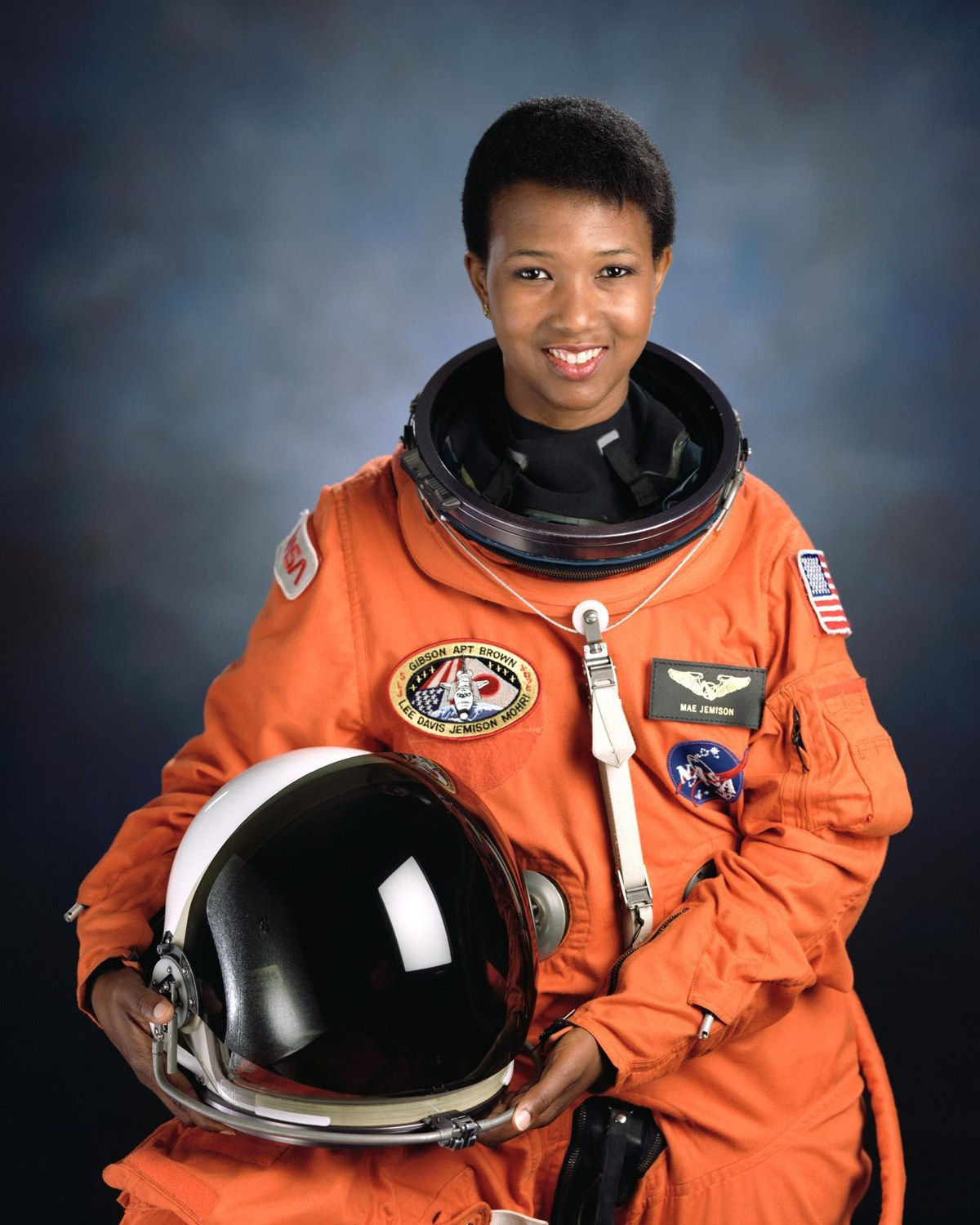
Mae Jemison became the first Black woman in space aboard Space Shuttle Endeavour in 1992. She’s also a physician, an engineer, a Peace Corps veteran, and a trained dancer who almost chose professional dance over medical school. She brought a poster from the Alvin Ailey company with her to orbit.
The hook for the kid who has “too many interests”: Jemison didn’t pick one lane. The lanes added up. STEM is bigger on the inside.
Benjamin Banneker: the almanac and the letter
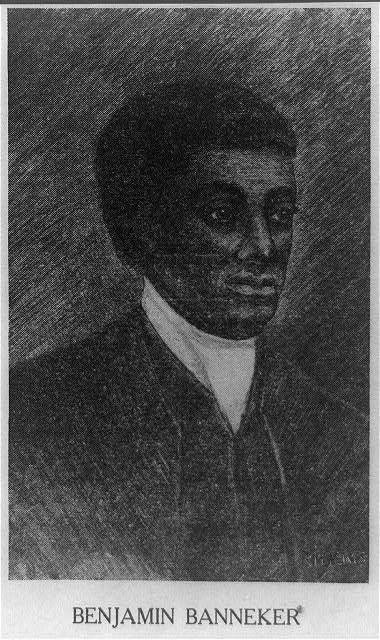
A free Black man in 1700s Maryland, largely self-taught, Benjamin Banneker built a working wooden clock as a young man, taught himself astronomy deeply enough to accurately predict eclipses, published years of almanacs, and assisted in the survey of the land that became Washington, D.C. Then he did something bolder: he mailed a copy of his almanac to Thomas Jefferson with a letter respectfully dismantling Jefferson’s arguments about Black inferiority — using his own published mathematics as Exhibit A.
The hook: Banneker used homework as an argument for his people’s humanity. Excellence can be advocacy.
Marie Maynard Daly: the chemistry of the heart
In 1947, Marie Maynard Daly became the first Black woman in the United States to earn a PhD in chemistry. Her research helped illuminate how cholesterol and hypertension damage the heart and arteries — science that sits behind everyday medicine your family benefits from now. She spent her later years creating scholarship funds to pull more Black students into science behind her.
The hook: her lab work shows up at your doctor’s office today. Science is a relay, and she passed the baton on purpose.
Lonnie Johnson: the rocket scientist behind the Super Soaker
Lonnie Johnson worked on NASA’s Galileo mission to Jupiter and served as an Air Force engineer — and one evening at home, while testing a heat pump idea in his bathroom, he accidentally invented the water blaster that became the Super Soaker, one of the best-selling toys in history. He used the proceeds to fund his own energy-technology research company.
The hook: yes, the Super Soaker guy is a rocket scientist. Serious science and serious fun are not opposites — which might be the most important STEM lesson on this list.
Why middle school is the moment
Grades 3 through 8 are where we focus much of our work at Dreaming Elephants, because that’s where the road forks quietly. Skill gaps open and snowball. Confidence hardens into “I’m just not a math person.” Course placement decisions — which math track, which science — begin locking in options years before anyone says the word “college.”
A student who believes STEM belongs to them fights for the concepts. A student who doesn’t, doesn’t — no matter how capable they are. These six stories are evidence for the fight.
How to make it stick (without a lecture)
Keep it casual. One story at a time, told like gossip: “Did you know the astronaut refused to fly until one specific mathematician checked the numbers?” Let the Super Soaker do its work — it’s the gateway. Connect a story to whatever your kid already loves: dance to Jemison, building things to Banneker, sports-level clutch performance to Johnson. And when Black History Month arrives in February, your family will already be months into the conversation instead of starting it.
If your student is curious but wobbling in math or science — or bored and under-challenged — that’s exactly the moment a certified educator changes the story. Every Dreaming Elephants student starts with a comprehensive diagnostic, gets an individualized plan, and works with an educator who teaches both the subject and the belief.
The next name on this list is sitting at your kitchen table.
Schedule Your Free Consultation at www.DreamingElephantsTutoring.com — serving families across Philadelphia and the Greater Philadelphia Region, in-home and in-office.